
Web systems
When should spreadsheets become a custom web system?
Spreadsheets are useful until duplicated files, manual approvals, weak permissions, and difficult reporting begin to slow the business down.

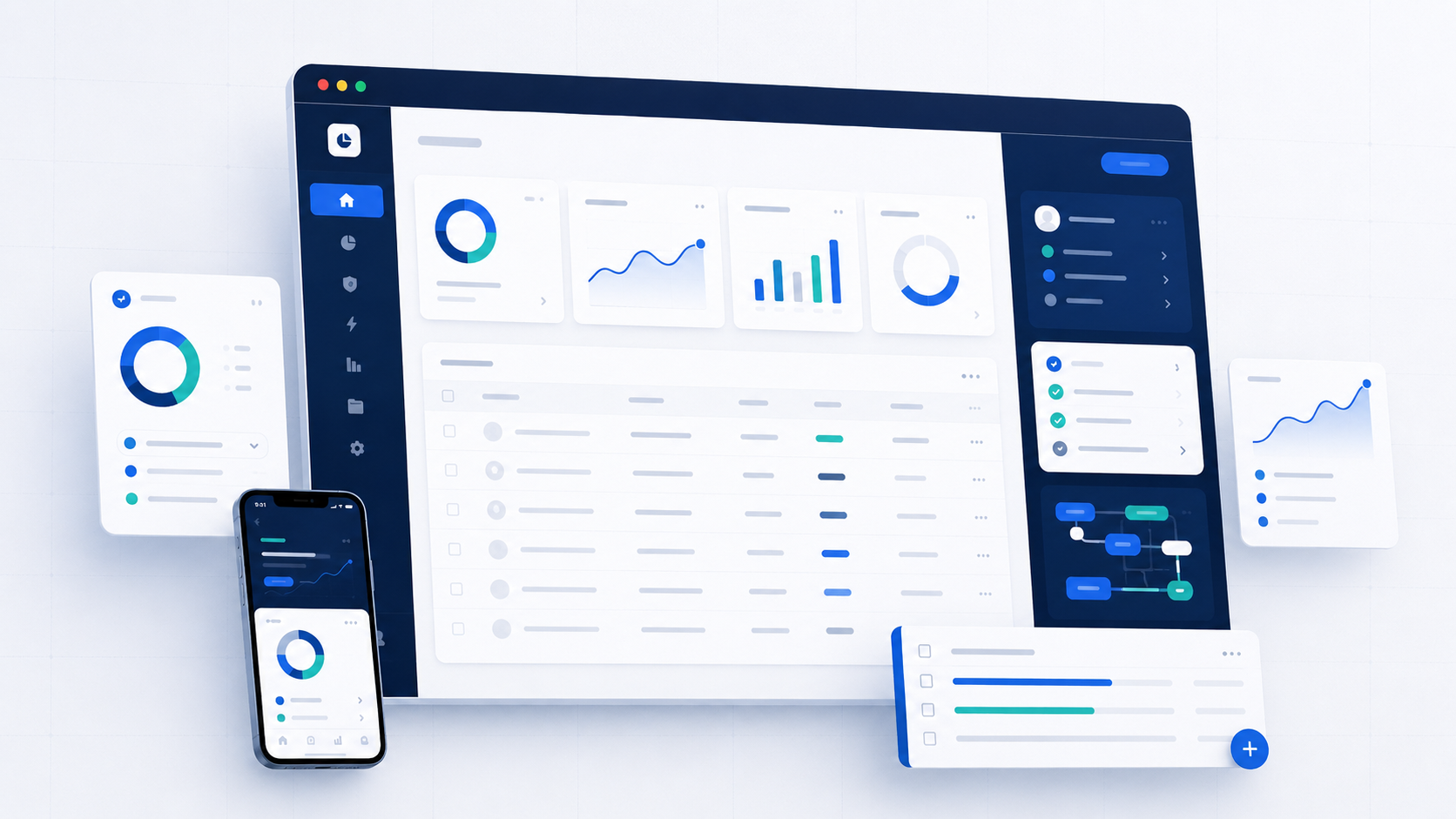
Spreadsheets are often the right first tool. They are flexible, familiar, and inexpensive. The problem begins when the business process grows beyond what one shared file can safely represent.
A custom web system becomes useful when the workflow needs stronger structure, permissions, shared records, automation, or visibility than a spreadsheet can provide.
Signs the current spreadsheet workflow is becoming expensive
- Several versions of the same file circulate
- People copy the same information into multiple sheets
- Approvals happen through messages with no reliable history
- Only one person understands the formulas or process
- Reports require repeated manual cleanup
- Sensitive records are visible to more people than necessary
What a web system can add
- One shared source of truth
- Role-based access and responsibilities
- Validated forms instead of unrestricted cells
- Searchable records and activity history
- Automated notifications or status changes
- Dashboards and reports generated from current data
Do not rebuild everything at once
The first release should usually focus on the most painful or risky workflow. For example, a request form, approval queue, status dashboard, or customer record can become the first useful module while the remaining spreadsheet work continues temporarily.
Questions to answer before development
- Who creates, reviews, and approves each record?
- Which information is required and which is optional?
- What should happen when information is incomplete?
- Who can view or change sensitive fields?
- Which reports or decisions depend on the data?
- What existing files or tools must remain connected?
Practical takeaway
Keep spreadsheets while they remain clear and safe. Consider a custom web system when the cost of duplication, mistakes, weak access control, and manual coordination becomes greater than the cost of a focused first release.
Continue reading
Related guides
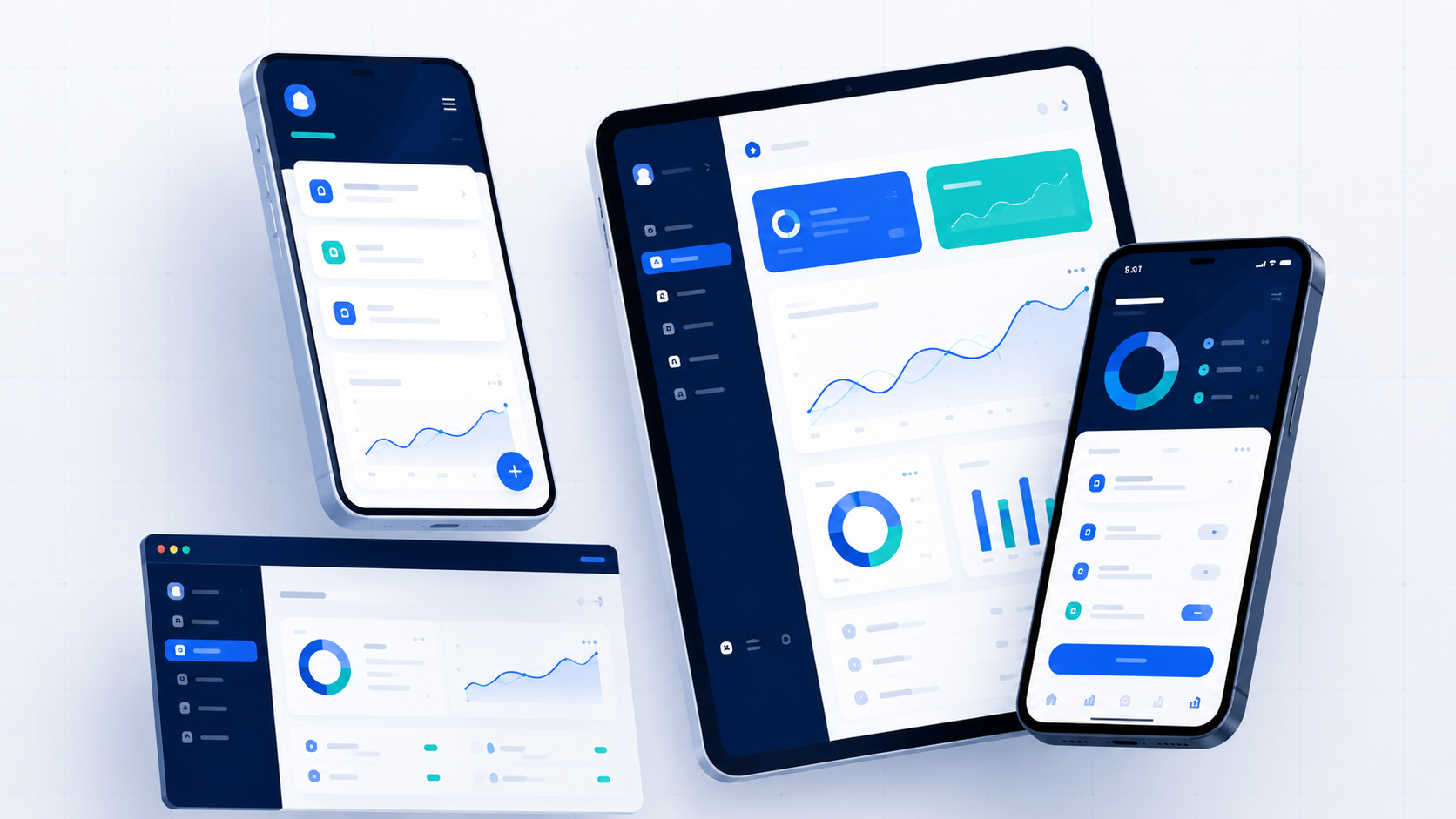
Behind the build: how Tenshio designs responsive digital products
Responsive design is not the final step of shrinking a desktop screen. It starts by deciding what each user needs at each device size.
Read guide